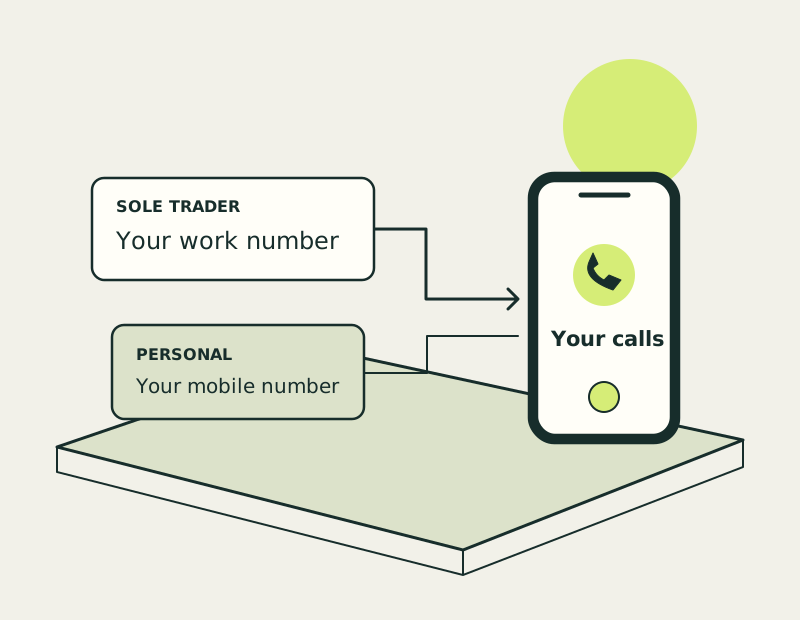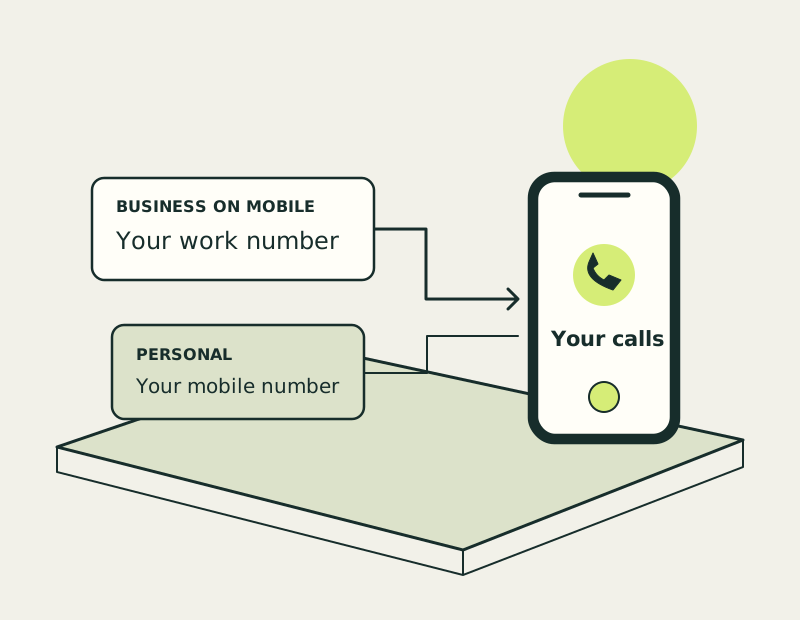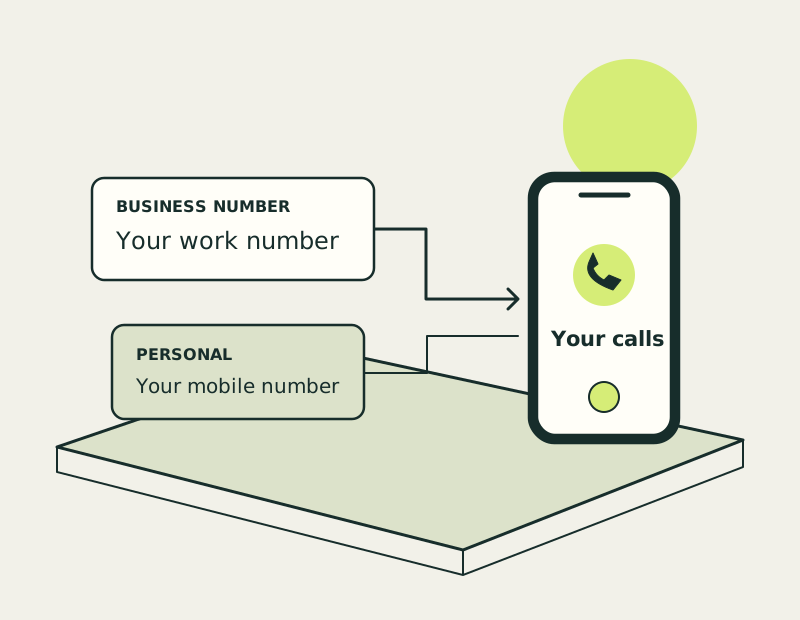
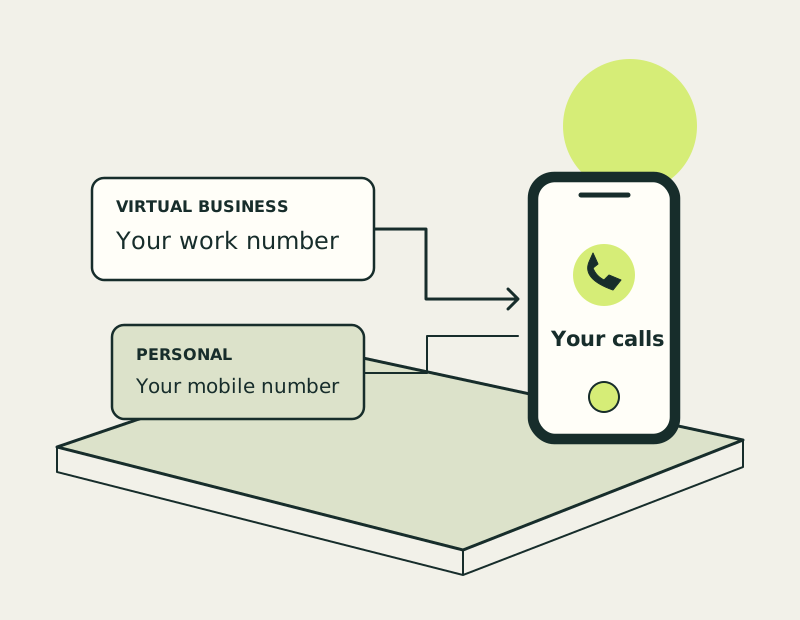
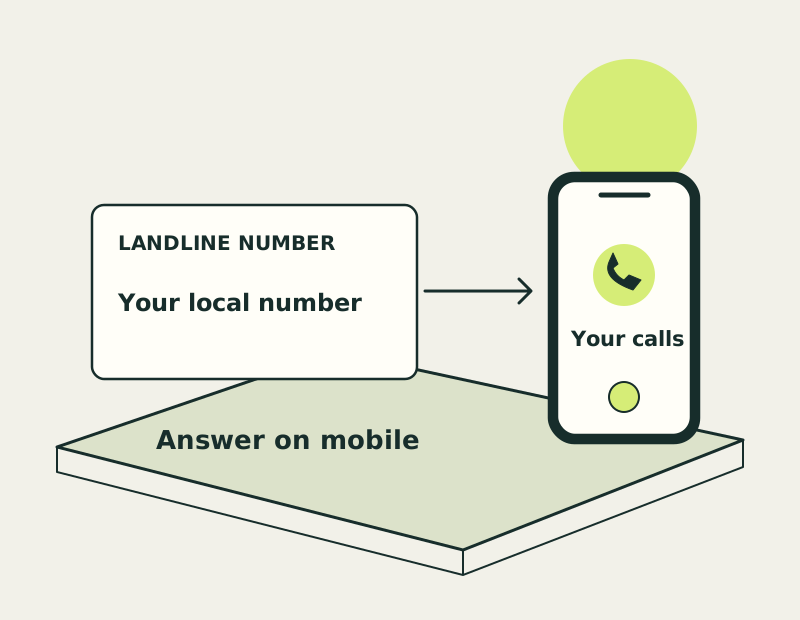
Keep business and personal calls separate
If your personal mobile appears on your website or business cards, work and private calls arrive through the same public contact. A dedicated business number gives you a separate number to publish, without automatically requiring a second handset.
Choose a setup for the person answering
For a sole trader, the priority is a simple routine you can manage yourself. For mobile working, check how incoming calls arrive and how you call customers back. If several people need extensions or simultaneous call handling, confirm those requirements separately.
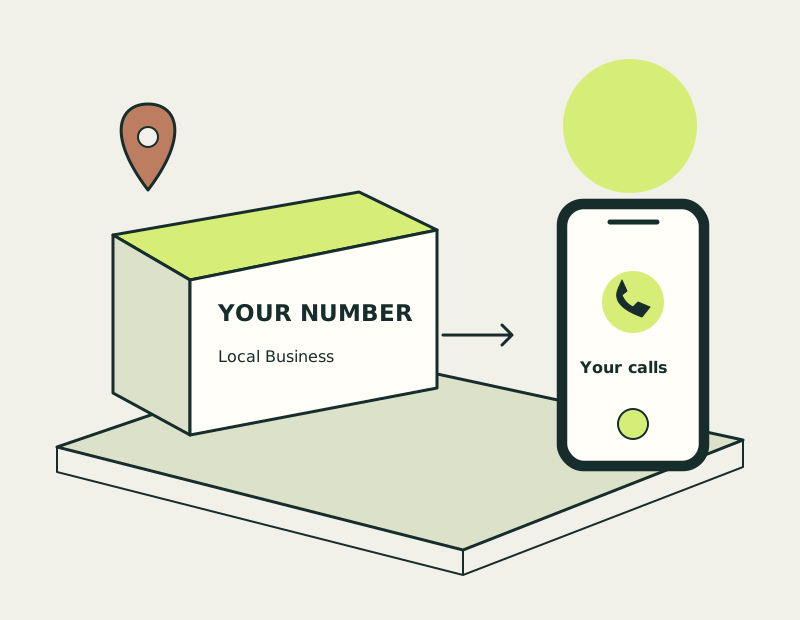
Local, national or freephone business numbers
A local number can reflect the area you serve. A national number suits a wider customer base. Freephone changes what UK callers pay, while a memorable number focuses on the digits customers see and hear.
Business calling features to check
List the features that matter: incoming call identification, outbound caller ID, voicemail and handling when you are unavailable. Check the chosen plan rather than assuming every feature comes with every number.
Compare business number plans
The linked plans focus on single-user needs. Compare your expected calls and answering method with the current inclusions, then choose the number you want customers to use.
A few practical answers
Business Phone Numbers: common questions
Do I need a separate phone for a business number?
Not always. Some setups work through an app or forward calls to your existing phone. Confirm the method supported by your plan.
Which number type suits customers in different areas?
A national number may fit a geographically mixed audience. A local number can still suit a business with a clear home area.
What if more than one person needs to answer?
Check multi-user requirements directly with a provider. The plans linked here are focused on single-user use.