Decide whether to forward or move your number
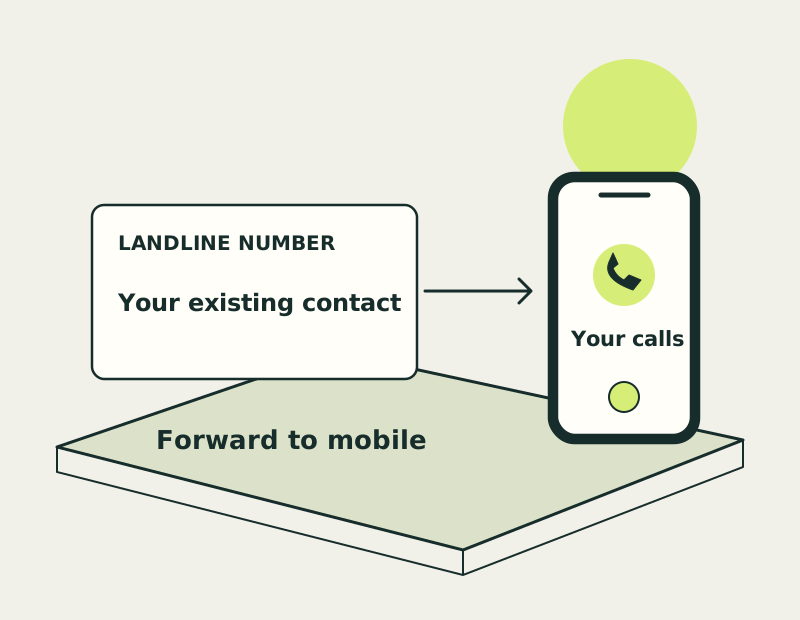
If you only need calls to reach your mobile while you are out, forwarding may meet the need. If you want to stop using the existing phone service but keep its number, a transfer is a different project.
Call forwarding versus number porting
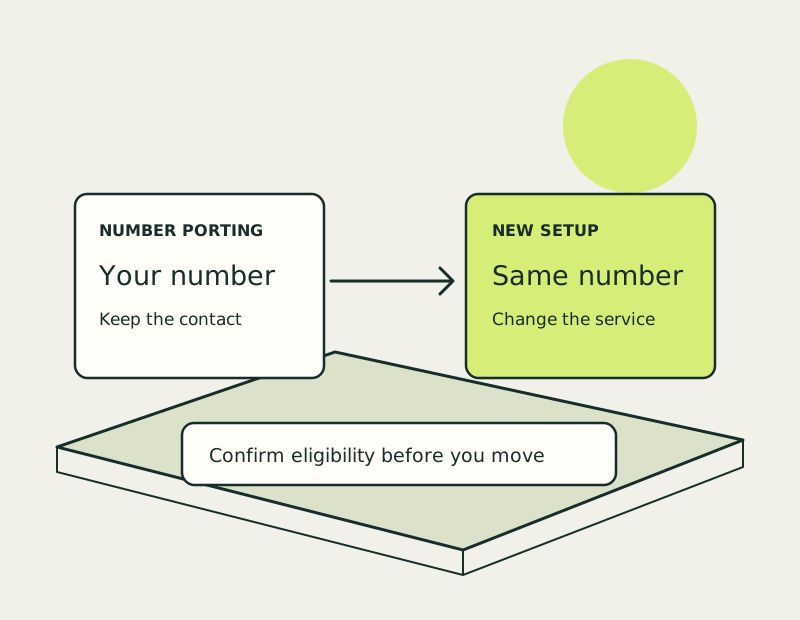
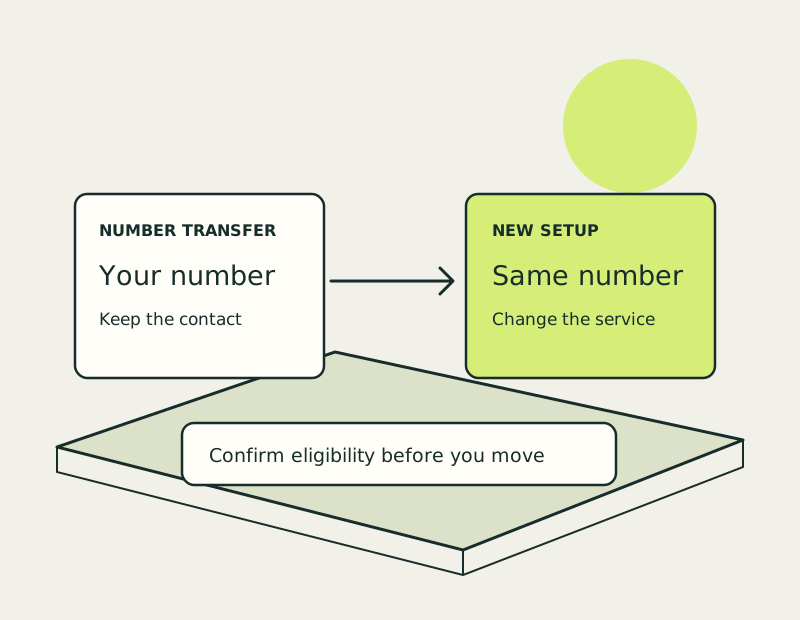
Forwarding leaves the number with its current service and sends calls onward. Porting moves the number between providers. The charges, account changes and impact on connected services differ, so choose the route before ordering.
Match the service to your existing setup
For occasional time away, ask your current provider about diversion. For a permanent change to mobile working, compare a virtual setup with porting. For a completely new contact, choose a new landline-style number instead.
Forwarding charges and linked services
Check charges for the forwarded leg of the call and any existing rental that continues. Before porting, ask about broadband, alarms or other services using the line. Agree the change sequence with both providers before cancelling.
Choose forwarding or a number transfer
If a new mobile-answering service fits, compare the linked plans. If keeping your current number is essential, start with porting eligibility and transfer preparation rather than choosing new digits.
A few practical answers
Forward Landline Calls to Your Mobile: common questions
Is forwarding the same as moving my number?
No. Forwarding redirects calls while porting changes the service hosting the number.
Could I pay both my existing provider and a new service?
You may if the current service stays active alongside a new one. Include continuing rental and diversion charges in your comparison.
What should I check before changing a bundled line?
Ask how the number change affects broadband, alarms and contracts, and confirm the timing and cancellation arrangements with both providers.