Business calls without a fixed desk
Customers use a consistent public number while your calling service handles delivery. That can suit working from home, moving between appointments or avoiding a dedicated office handset. The right plan depends on your actual call routine.
Check incoming calls and outgoing caller ID
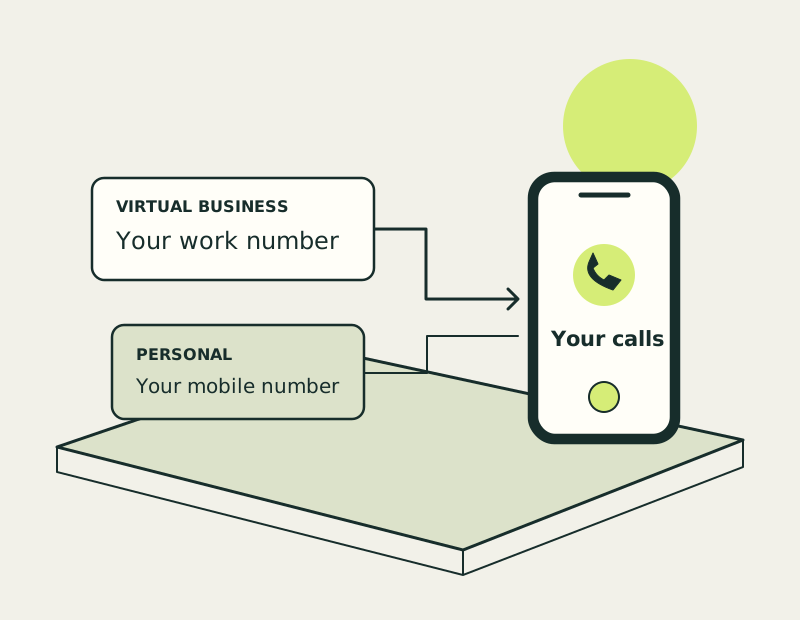
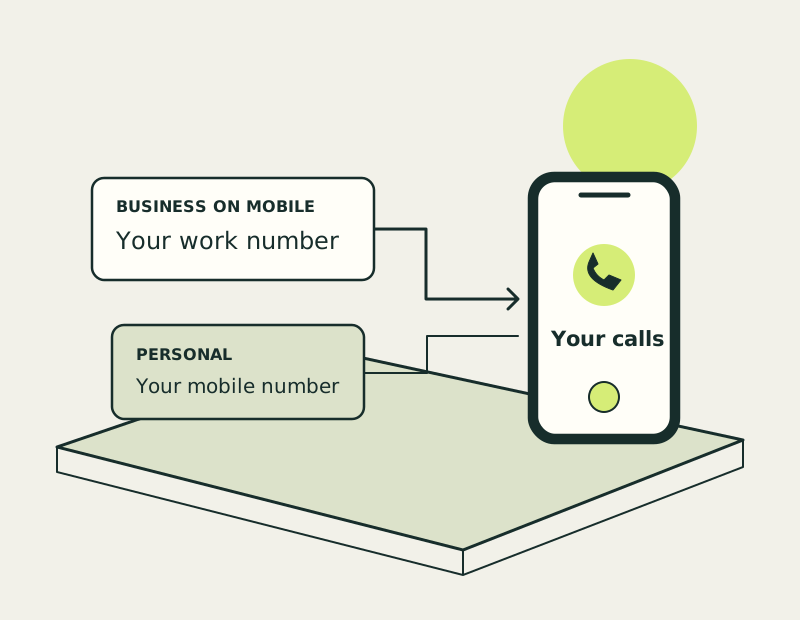
Think through both directions of a call. Receiving a forwarded call on your mobile does not automatically let you make an outgoing call with the business number. Check the app or calling method needed for business caller ID.
Mobile, home and flexible working setups
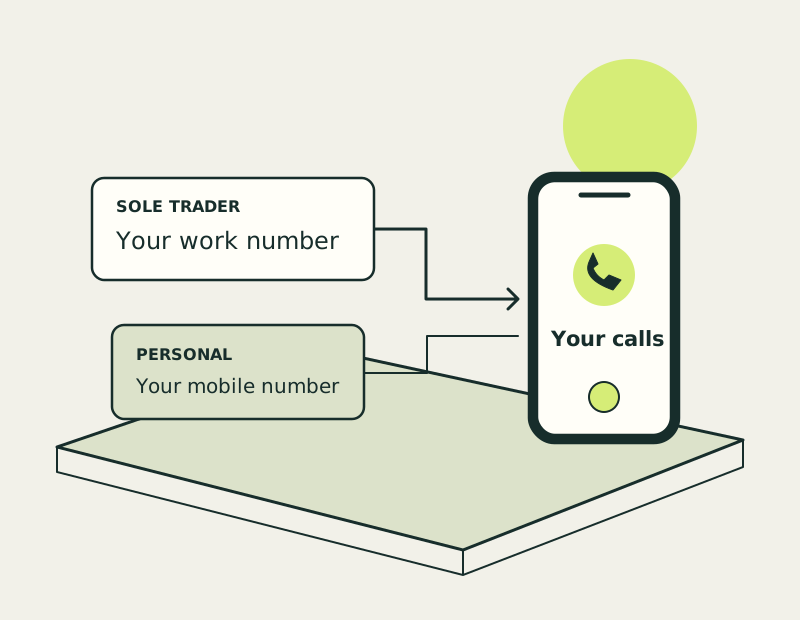
A home worker may prefer app answering over a stable connection. Someone moving between jobs may prefer forwarding to a mobile. A single-person business may need both incoming and outgoing calling; compare these needs with plan inclusions.
Keep your number or choose a new one
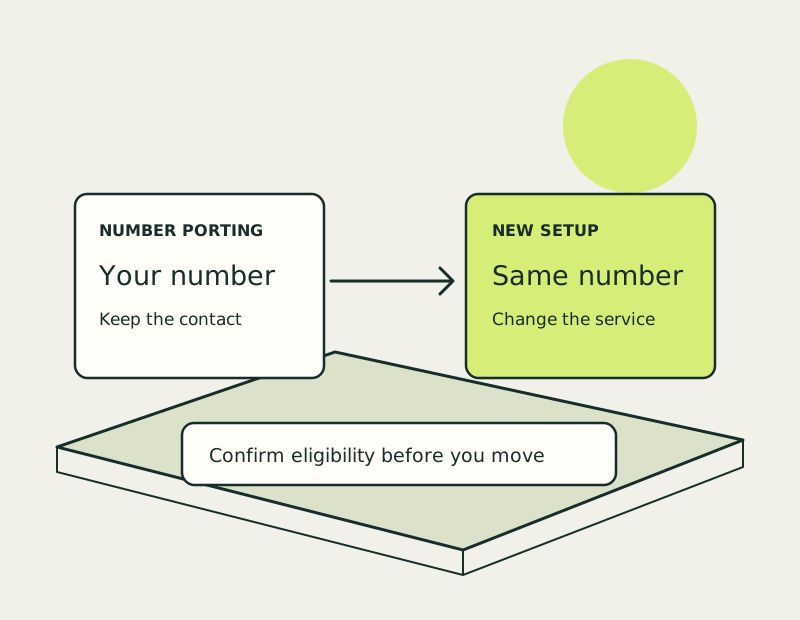
You can consider a new number or ask whether an existing business number can be ported. If the current number is on signs, invoices or customer records, assess retention before starting again.
Match your calling needs to a plan
Choose your number type, answering device and outgoing-call needs, then review a suitable plan. Check how the service behaves when your connection is unavailable and what call charges apply.
A few practical answers
Virtual Business Phone Numbers: common questions
How do customers reach me on a virtual number?
They dial your chosen business number. The service delivers the call through the answering method supported by your plan.
Can I show the business number when calling out?
Some plans provide an app or supported calling method for this. Returning a call through your ordinary mobile dialler may show your personal number.
Can I move my existing business number to this setup?
Ask for a porting eligibility check before ordering or cancelling anything. Number transfers depend on the existing service and provider arrangements.