What landline number porting changes
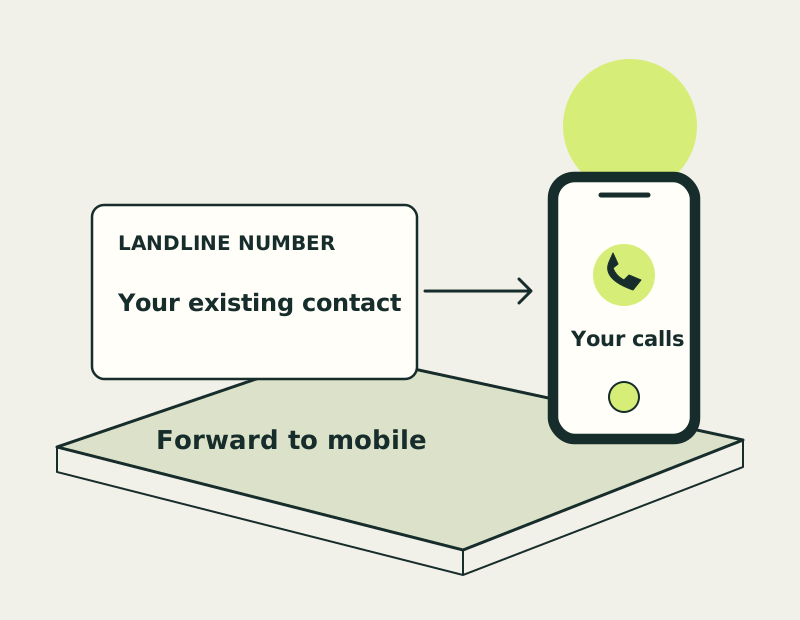
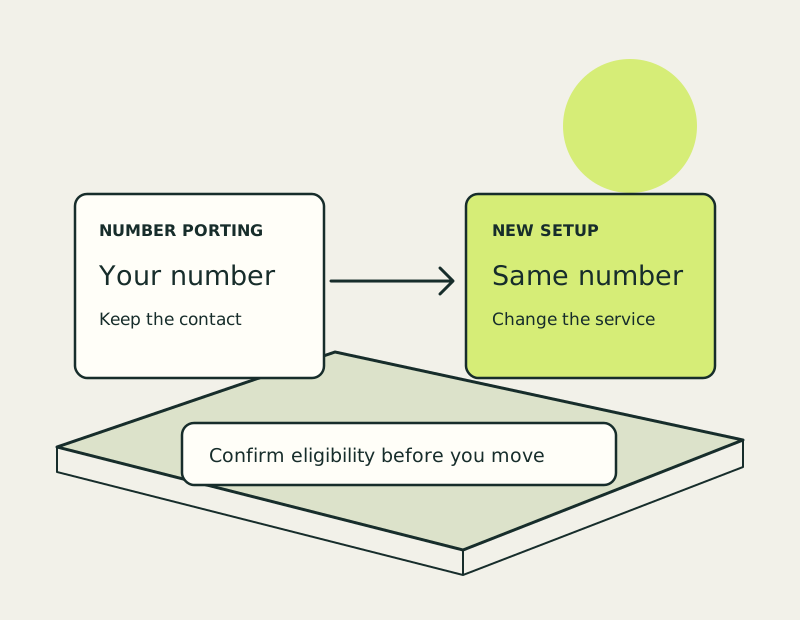
With porting, the number’s hosting moves between services. With forwarding, calls are redirected while the current provider keeps the number. Choose the route that matches whether you want to retain the old service.
Check porting eligibility first
The receiving provider needs to confirm that it can accept your exact number. Account details must match the existing service, and fees or restrictions may apply. Check this before committing to a replacement plan.
How providers arrange the transfer
The providers coordinate the transfer after the required information and authority are supplied. You should receive confirmation of the agreed steps and date. Do not treat submitting a request as a completed move.
Transfer timing, fees and service continuity
Timing and continuity depend on the transfer. Ask about charges, the planned date and how broadband or other line-dependent services are affected. Keep a contact route available if there is an interruption.
Prepare for your number transfer
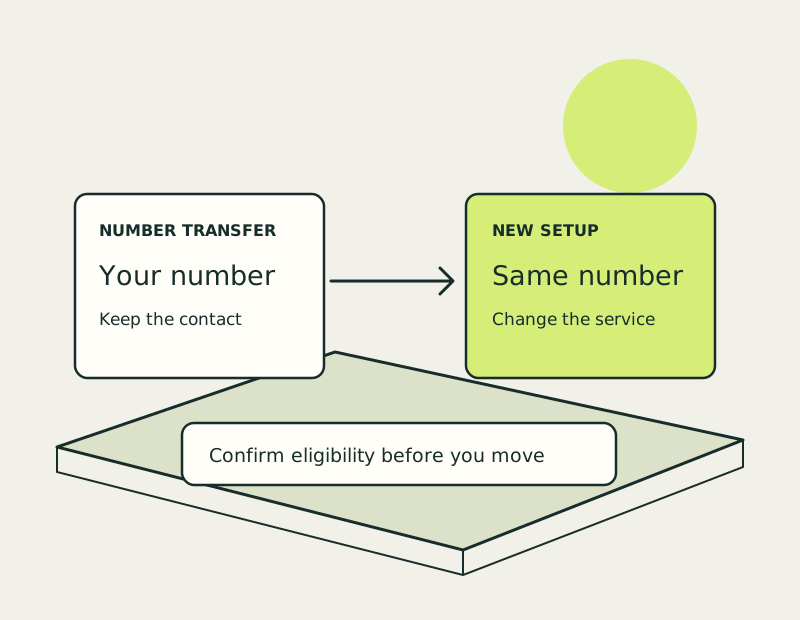
Once eligibility and the service change are understood, prepare the account information and answering setup. The transfer checklist helps organise those practical steps before you continue with the provider.
A few practical answers
Landline Number Porting: common questions
What determines whether my number can be ported?
The number, current service and provider arrangements all matter. Ask the receiving provider to check the exact number.
How is porting different from forwarding calls?
Porting changes the provider hosting the number. Forwarding sends calls onward while the existing service remains.
What could affect the timing or continuity of a transfer?
Incorrect account details, provider coordination and connected services can affect the process. Rely on the confirmed transfer arrangements, not an assumed date.